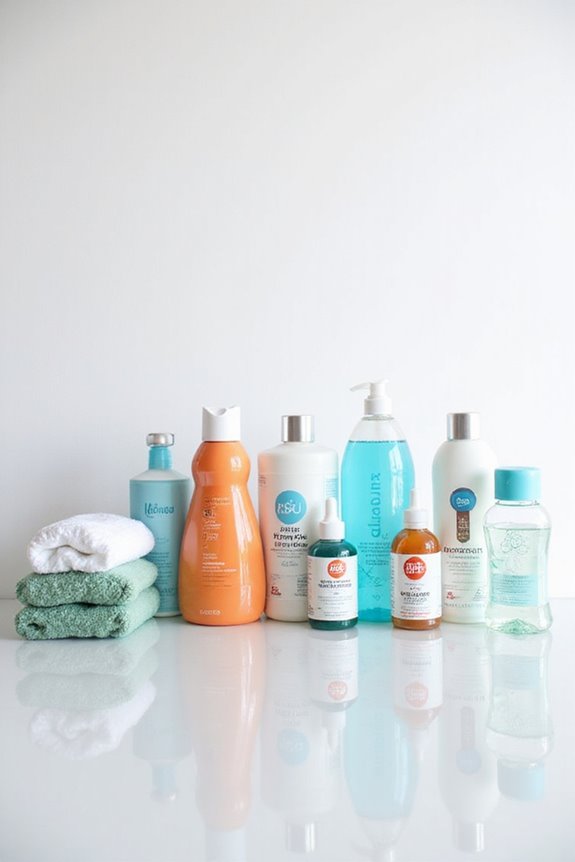

When we look at stain removers, we see a mix of ingredients working hard to zap those pesky spots. Commercial products often include surfactants, like sodium lauryl sulfate, and enzymes targeting specific stains, while natural options like vinegar and hydrogen peroxide can work wonders too. We can even whip up our own with baking soda and castile soap. So whether we’re fighting food or pet messes, there’s a solution waiting for us to explore more!
Key Takeaways
- Common chemical ingredients in stain removers include surfactants, enzymes, builders, and scent additives that enhance cleaning effectiveness.
- Natural stain removers often use white vinegar, hydrogen peroxide, and castile soap for effective, non-toxic cleaning.
- Surfactants reduce surface tension, allowing cleaning agents to penetrate fabric fibers for better stain removal.
- Enzymes specifically target stains, breaking them down into smaller, manageable pieces for easier removal.
- Eco-friendly and biodegradable options are increasingly available, minimizing environmental impact while ensuring safety for users.
Common Chemical Ingredients in Commercial Stain Removers
When it comes to tackling tough stains, we often rely on commercial stain removers packed with powerful ingredients. These products commonly include surfactants, which reduce surface tension and help penetrate stains effectively. You’ll find ingredients like sodium lauryl sulfate in many formulas. Builders and pH adjusters, such as sodium carbonate, enhance cleaning by softening water and maintaining ideal conditions.
Enzymes play a significant role too—they target specific stains. Proteases tackle protein stains, while lipases handle oil-based messes. And let’s not forget about the scent additives! Although they make our laundry smell fresh, they don’t contribute to stain removal. So, while we enjoy that clean scent, we should appreciate the enzyme effectiveness and other hardworking ingredients that truly save the day. Additionally, some stain removers may utilize advanced stain removers to enhance their ability to combat tough oily stains.
Recommended Products
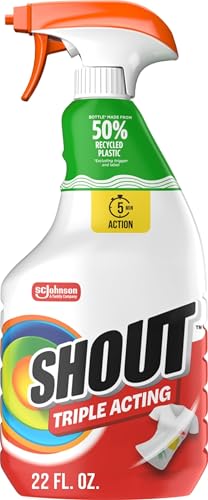
What You'll Get: One 22oz spray bottle of Shout's Prewash Active Enzyme Stain Remover Spray. Bottle, excluding trigger & label, made of 25% Post Consumer Recycled plastic!

Powerful Bio Enzymatic Cleaner: ACTIVE Laundry Odor Removers Boost your normal laundry detergent to effectively target Stains & Odors, not mask them like washing soda or in-wash scent boosters. It uses Lab-proven Biological Cleaning to remove laundry odor & strong smell

LAUNDRY BIO-ENZYMATIC FORMULA: Helps break down and destroy tough pet stains and odors, such as urine, feces, vomit, blood, grass and drool.
Natural Ingredients Used in DIY and Natural Stain Removers
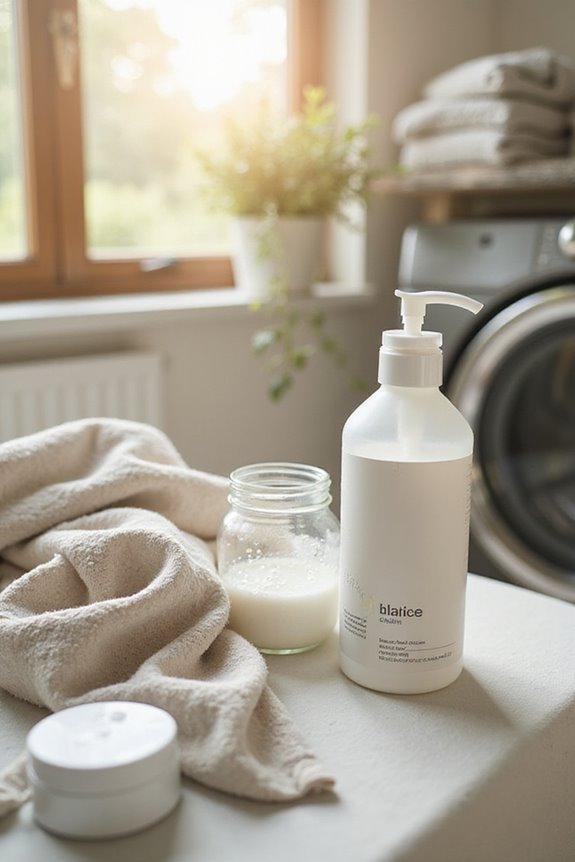
While we might think of stain removers as strictly commercial products, there are plenty of natural ingredients we can use to tackle those pesky spots ourselves. For instance, white vinegar is a pantry staple that dissolves stains and neutralizes odors. It’s non-toxic and easy to use—just mix it with water. Hydrogen peroxide is another eco-friendly option, great for tough stains like blood and red wine. When combined with castile soap, we boost its ingredient effectiveness. Plus, a few drops of lemon essential oil can add a fresh scent while fighting grime. Finally, vegetable glycerin helps lift greasy stains without harsh chemicals. By using these natural ingredients, we can tackle stains effectively while being kind to our planet!
Recommended Products

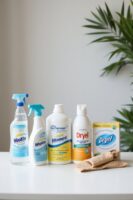
Contains only food-grade hydrogen peroxide and purified, deionized water. No stabilizers or additives. The hydrogen peroxide solution is NSF Certified to NSF/ANSI/CAN 60 for drinking water treatment chemicals and NSF/ANSI/CAN 50 for pool, spa, hot tub, and other recreational water treatment chemical use.
As an affiliate, we earn on qualifying purchases.

POWERFUL LAUNDRY STAIN REMOVER & CLEANER | This laundry stain cleaner finds its strength naturally from plant-based enzymes. These plant-based enzymes are effective because they work by attacking the source of stubborn stains, breaking them down to their basic elements for easy and quick removal, while also eliminating unwanted odors.

Safe for Your Home & Family – Clean with confidence using a formula designed to be tough on messes but gentle for the people and pets you love.
Household Cleaning Additives Common in Homemade Solutions
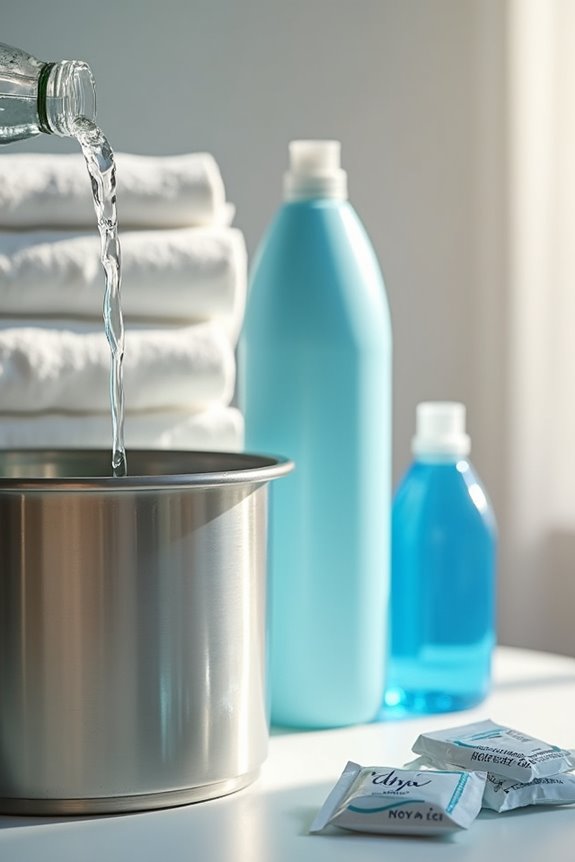
Household cleaning additives are the unsung heroes of our DIY cleaning adventures. They help us create eco-friendly alternatives that are safe for our families and the planet. For instance, baking soda lifts dirt and neutralizes odors, making it ideal for kitchens and bathrooms. Vinegar cuts through grease and deodorizes, while hydrogen peroxide acts as a gentle disinfectant. We can even get creative with Castile soap, which emulsifies stains effectively.
Common additives like salt and citric acid boost our cleaning power, too. Plus, essential oils add a pleasant scent and natural disinfectant properties. By using these ingredients, we not only embrace sustainability practices, but we also save money. It’s like giving our homes a green makeover, one cleaning session at a time!
Functional Categories of Stain Remover Ingredients
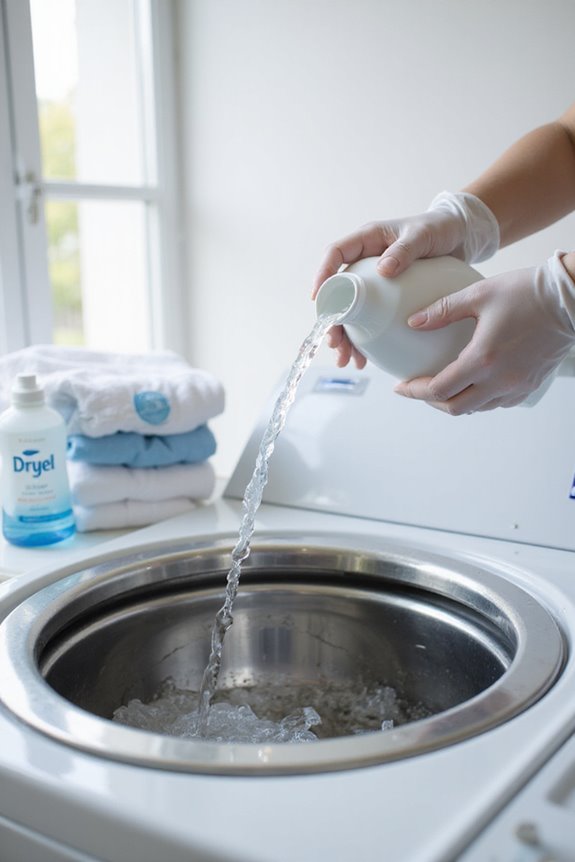
Stain removers come packed with various ingredients that each play a specific role in tackling tough messes. One key player is surfactants, which reduce surface tension. This helps water and cleaning agents penetrate fabric fibers, making greasy stains easier to tackle. We often find enzyme effectiveness in stain removers too. Enzymes are biological catalysts that break down specific stains, like protein or fat, into smaller pieces. They’re superheroes for tough stains like blood and oil! Solvents also play a role, dissolving the chemical bonds in stains. Builders and chelating agents enhance cleaning by softening water and keeping dirt from reattaching. Together, these functional categories create a powerful team against stubborn stains, making our laundry day a little less intimidating. Furthermore, utilizing enzyme-based stain removers can significantly improve results on sweat stains by targeting specific stain types effectively.
Additional Ingredients in Commercial Stain Removers
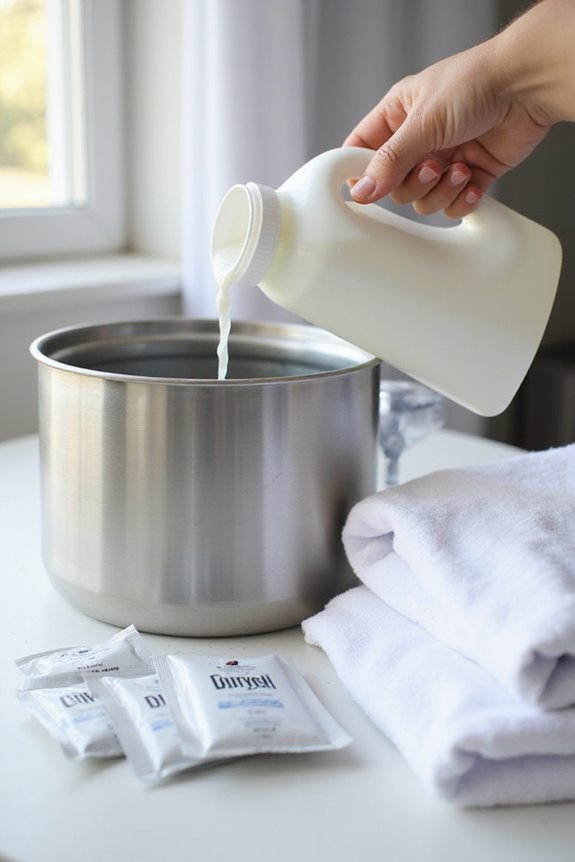
When we grab a bottle of stain remover, we might not realize the variety of additional ingredients working behind the scenes. Some products include fragrances to make cleaning more pleasant, while colorants add a bit of flair without helping with stains. Thickeners like xanthan gum adjust the texture for easy application. We also see oxygen bleaching agents that release oxygen to brighten fabrics.
What’s cool is that many of these ingredients, like plant-derived solvents, are environmentally friendly. Ingredient sourcing matters too; using biodegradable options means we can clean our clothes without harming the planet. Additionally, many stain removers contain enzyme-powered detergents that effectively break down protein stains. So, next time we use a stain remover, let’s appreciate the science behind those extra ingredients making our lives easier!
Recommended Products

PLANT BASED CLEANER: Bac-Out uses a plant-based, eco-friendly solution with no artificial fragrances or dyes. Our products never contain phosphates, chlorine, ammonia, or brighteners.

GENTLE: Our formula is consciously formulated with 100% bio and mineral-based ingredients. We left out all the harsh chemicals, fillers, toxins, and pollutants commonly found in other boosters to create a hyperefficient, nontoxic, biodegradable formula. We only use the good stuff so your body and the environment are left as clean as your detergent.
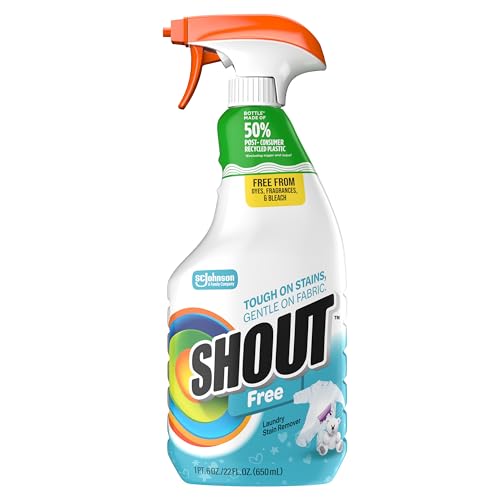
What You'll Get: One 22oz Spray Bottler of Shout Free Laundry Stain Remover Spray
Examples of Ingredients Tailored to Specific Stain Types
Tackling various types of stains can feel like a chemistry experiment, but it doesn’t have to be complicated! For food stains, ingredients like hydrogen peroxide and sodium lauryl sulfate show great ingredient effectiveness. They help oxidize those stubborn ketchup marks or emulsify oily residues from butter. If we spill a drink, white vinegar and glycerine work wonders on coffee and wine stains. For grease, dipropylene glycol butyl ether easily dissolves those pesky oils. Finally, when faced with protein stains, enzymes and hydrogen peroxide break down blood and ink messes. Using these stain removal techniques makes tackling spills much easier, and often more fun! We’ve all been there, and with the right ingredients, we can win the battle against stains. Additionally, many stain removers are formulated to be non-toxic and biodegradable, making them safer for use around children and pets.
How Stain Remover Ingredients Work Together
While we might think of stain removal as a solo act, the truth is that the ingredients in our cleaners work together like a well-rehearsed team. Take enzyme synergy, for example. Each enzyme targets specific stains—proteases for protein, amylases for starch, and lipases for fats. When combined, they tackle a wider range of stains more effectively. Additionally, many stain removers utilize enzyme-based formulas that enhance their effectiveness against tough stains like grease and food. Then we’ve got surfactant interactions. Surfactants wrap around oil droplets, making it easier for water to wash them away. By reducing surface tension, they help penetrate fabric fibers. Plus, builders like zeolites soften water, ensuring enzymes and surfactants can do their jobs without interference. Together, these ingredients create a powerful stain-fighting force. Who knew cleaning could be such teamwork?
Safety Considerations When Using Stain Removers
Have you ever wondered just how safe those stain removers really are? We need to prioritize safe usage when tackling stains. First, always read the label—it’s our best friend! It tells us about potential hazards and how to use the product correctly. Don’t forget to wear protective gear, like rubber gloves and goggles, to keep our skin and eyes safe.
Using stain removers in well-ventilated areas is essential, too. Open those windows! And remember, never mix different cleaners unless it’s explicitly safe—this can create dangerous reactions. Also, let’s store these products away from kids and pets, and keep them tightly closed. By following these simple steps, we can keep our cleaning efforts safe and effective! Additionally, prioritizing products labeled safe for pets and kids can help ensure that our cleaning practices are not only effective but also environmentally friendly.
Frequently Asked Questions
Can Stain Removers Be Used on All Fabric Types?
Stain removers aren’t universally safe for all fabrics. We should always check fabric compatibility and choose appropriate stain removal techniques. Testing on inconspicuous areas helps guarantee we protect delicate materials from potential damage.
How Long Should Stain Removers Be Left on Stains?
When we treat a stubborn stain, it’s like brewing tea; the right stain duration is key. Typically, we should wait 5 to 15 minutes for effectiveness timing before rinsing to achieve the best results.
Are There Eco-Friendly Stain Remover Options Available?
Absolutely, there’re eco-friendly stain remover options available! We can choose natural alternatives with eco certifications that are safe for our families and the planet, ensuring effective cleaning without harmful chemicals. Let’s embrace greener choices together!
What Are the Best Practices for Storing Stain Removers?
Imagine a treasure chest, holding our stain removers safe. By ensuring proper stain storage, we can extend their product lifespan, keeping them effective and ready for battle against stubborn stains lurking on our clothes.
Can Homemade Stain Removers Be as Effective as Commercial Ones?
We’ve found that homemade solutions can be effective, but effectiveness comparison shows commercial products often outperform them in tackling tough stains. Still, with proper techniques, we can achieve satisfactory results with our DIY options.
{
“@context”: “https://schema.org”,
“@type”: “FAQPage”,
“mainEntity”: [
{
“@type”: “Question”,
“name”: “Can Stain Removers Be Used on All Fabric Types?”,
“acceptedAnswer”: {
“@type”: “Answer”,
“text”: “Stain removers aren’t universally safe for all fabrics. We should always check fabric compatibility and choose appropriate stain removal techniques. Testing on inconspicuous areas helps guarantee we protect delicate materials from potential damage.”
}
},
{
“@type”: “Question”,
“name”: “How Long Should Stain Removers Be Left on Stains?”,
“acceptedAnswer”: {
“@type”: “Answer”,
“text”: “When we treat a stubborn stain, it’s like brewing tea; the right stain duration is key. Typically, we should wait 5 to 15 minutes for effectiveness timing before rinsing to achieve the best results.”
}
},
{
“@type”: “Question”,
“name”: “Are There Eco-Friendly Stain Remover Options Available?”,
“acceptedAnswer”: {
“@type”: “Answer”,
“text”: “Absolutely, there’re eco-friendly stain remover options available! We can choose natural alternatives with eco certifications that are safe for our families and the planet, ensuring effective cleaning without harmful chemicals. Let’s embrace greener choices together!”
}
},
{
“@type”: “Question”,
“name”: “What Are the Best Practices for Storing Stain Removers?”,
“acceptedAnswer”: {
“@type”: “Answer”,
“text”: “Imagine a treasure chest, holding our stain removers safe. By ensuring proper stain storage, we can extend their product lifespan, keeping them effective and ready for battle against stubborn stains lurking on our clothes.”
}
},
{
“@type”: “Question”,
“name”: “Can Homemade Stain Removers Be as Effective as Commercial Ones?”,
“acceptedAnswer”: {
“@type”: “Answer”,
“text”: “We’ve found that homemade solutions can be effective, but effectiveness comparison shows commercial products often outperform them in tackling tough stains. Still, with proper techniques, we can achieve satisfactory results with our DIY options.”
}
}
]
}