
When we wash our clothes, knowing the water temperature makes a big difference! For delicate fabrics like silk, we should stick to cold water to avoid damage. Warm water is great for everyday items like cotton and polyester blends, while hot water works wonders on heavily soiled towels and bed linens—just watch out for shrinkage. Each fabric has its quirks. If we keep an eye on temperatures, there’s a lot more we can do to keep our clothes looking fresh and clean!
Key Takeaways
- Use cold water (~30°C) for delicate fabrics like silk and lace to prevent damage and maintain integrity.
- Wash cotton colored items in cold water, while whites can be washed in warm water (~40°C).
- Warm water (30°C to 43°C) effectively cleans everyday fabrics like polyester blends and towels without causing shrinkage.
- For heavily soiled items like towels and bed linens, hot water is best for killing germs and allergens.
- Avoid hot water for delicate fabrics to prevent shrinkage; always opt for gentle detergents and air drying.
Understanding Water Temperature Categories
When we think about washing our clothes, one of the first things we need to take into account is water temperature. It’s essential for maintaining our favorite fabric types. Cold water, at about 30°C or 85°F, is perfect for delicate fabrics like silk and wool. It prevents damage and color fading, which we all want, right? Then there’s warm water, around 40°C or 105°F, which works well for most everyday fabrics like cotton and synthetic blends. It balances effective cleaning with care, so our clothes don’t fade or shrink too much. Knowing the right water temperature can really save our clothes—and our wallets—since cold and warm washes use less energy. Now, how cool is that?
Hot Water: When to Use It
Using hot water in our laundry can be a game-changer, especially for items that need a deep clean. Hot water benefits include effectively killing germs, bacteria, and allergens on towels, bed linens, and workout clothes. It’s perfect for heavily soiled items and oily stains, helping detergents work better. However, we must be cautious of hot water risks. It can cause natural fibers like cotton to shrink or damage delicate fabrics like silk. We’ve all experienced that moment when a favorite shirt shrinks unexpectedly! So, let’s save hot water for durable fabrics and sanitize items exposed to illness. For our delicate pieces, it’s best to stick with cold or warm water to keep them looking great longer. Additionally, using effective odor-fighting ingredients in hot water can enhance the cleaning power of your laundry detergent.
Recommended Products



WHITE WASH CLOTHS, 72 PACK, 12X12 INCH, 100% COTTON: Each pack contains 72 wash cloths measuring 12 by 12 inches, made from 100% cotton.

Ample Capacity for Towel Warming Needs: Designed to hold 40–45 small washcloths or 12 facial towels, this towel warmer offers flexibility for various needs. Its compact 8L size makes it suitable for small bathrooms or larger setups, ideal for home or professional use.
Warm Water: The Versatile Option
Hot water has its perks, but sometimes we need a gentler touch for our laundry. That’s where warm water washing comes in. Typically ranging from 30°C to 43°C (86°F to 110°F), warm water strikes a balance between effective cleaning and caring for our fabrics. It’s perfect for everyday items like cotton, polyester blends, and even towels.
We’ve found that warm water is great at breaking down body oils and dirt without causing shrinkage. Plus, it protects colors and textures better than hot water. So, if we want our clothes to last longer, warm water washing is the way to go. Just remember, some delicate fabrics still need a cold rinse, but for most, warm water is our versatile friend!
Recommended Products


Measures 1 FT(12 inches) length of each Y connector with 3/4" FHT x 3/4" FHT x 3/4" MHT connection.

Temperature Control: Electric Oven Thermostat with adjustable temperature controller switch offers a wide 50-400℃ range, allowing you to fine-tune heat levels for various cooking, baking, or heating applications with steady performance.

Capillary Temperature Control: This capillary thermostat switch provides accurate temperature control from 50°C to 300°C (122°F to 572°F) . The temperature sensing probe detects changes and activates the switch – ideal for heating appliances that require precise temperature regulation
Cold Water: Benefits for Delicate Fabrics
Cold water washing might not seem like the go-to choice for many, but it’s a game-changer for delicate fabrics. When we think about fabric preservation, cold washing shines as it keeps our precious silks, wools, and lace intact. Hot water can lead to shrinkage and damage, but cold water? It maintains the original strength of those fibers. Plus, it reduces wear and tear, making our favorite garments last longer. We’ve noticed that colors stay vibrant and stains come out without setting, which is a win-win! With the right detergent, we can confidently throw in our delicate items without fear of damage. So, let’s embrace cold washing and keep our delicate treasures looking fabulous! Choosing eco-friendly detergents specifically designed for sensitive fabrics ensures that we protect both our clothing and our skin.
Recommended Products

Protects Delicate Fabrics – Protects silk, wool, and other fine materials from damage while providing a thorough clean

GENTLE: Our Hand Wash & Delicates detergent was specifically formulated for fine silks, wools, and hand wash only garments. Phytolase, our advanced enzyme cleaning technology targets stains and odors at their source while being extra gentle for you, your clothes, and the planet. Consciously built with nontoxic, biobased ingredients, our formulas are safe for sensitive skin and the environment.

GENTLE DETERGENT FOR DELICATES: Crafted without enzymes, this liquid laundry detergent was designed for items that require a little more care, like silk, linen, satin, lingerie, undergarments, sleepwear, and evening wear, providing an exceptionally gentle clean and beautiful results
Cotton Fabrics: Best Practices for Washing
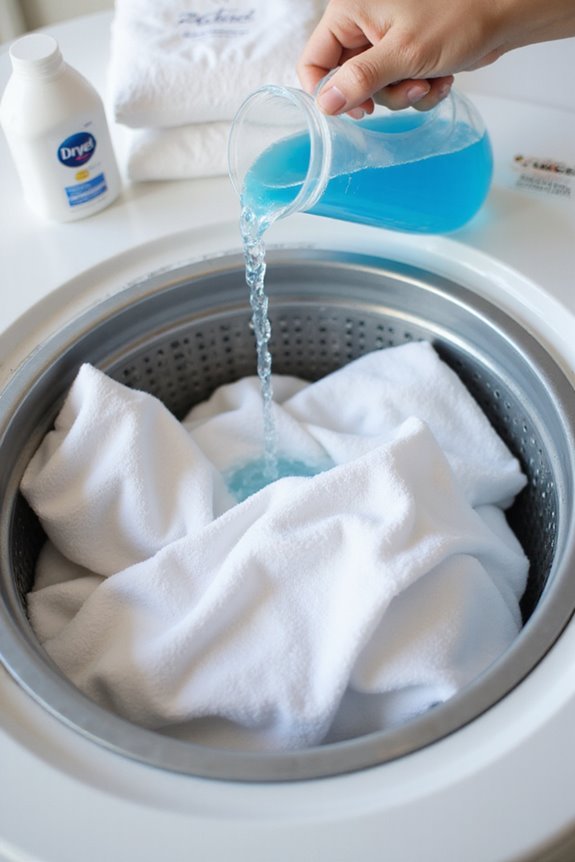
When it comes to washing cotton fabrics, we’ve got to keep a few key practices in mind to keep our clothes looking their best. First off, we should wash colored cotton in cold water to prevent shrinkage and color bleeding. Warm water works for whites, but let’s be careful with hot water; it’s best saved for items needing sanitation, like underwear. For washing techniques, the normal cycle is generally safe, but gentle cycles are perfect for delicate lace. Overloading the machine? A big no-no! And remember, fabric softeners can dull cotton’s natural look. Finally, air drying is the safest bet for avoiding shrinkage. With these cotton care tips, our favorite garments will stay vibrant and comfy! Additionally, using a detergent that targets tough sports stains can help maintain the quality of cotton clothing, especially for activewear.
Recommended Products

Woolite Gentle Cycle with Color Renew smooths fibers, removes pilling & fuzz, and revives colors

Plant-based, Ultra Concentrated Cleaning: Formulated with Soforo, a patented bio-surfactant created through natural fermentation, this liquid laundry detergent provides powerful cleaning with less product—delivering up to 64 loads per bottle.

Easy Pour Bottle: You asked and we listened! Our re-designed 32-ounce bottle of washing detergent now has an easy-pour, drain-back spout with a convenient measuring cap. With only a tablespoon needed to hand wash your delicate items, this 32oz bottle of Heritage Park detergent can last up to 64 washes.
Synthetics: Care Tips for Polyester and Nylon
Taking care of our synthetic fabrics, like polyester and nylon, can feel a bit tricky, but it’s really about knowing the right temperatures and techniques. We should wash polyester and nylon in warm water, around 90–110°F (32–43°C), to preserve those amazing polyester properties and nylon durability. Hot water? No thanks! It can break down fibers and ruin colors. For lightly soiled items, cold water works, but it might not tackle tough stains.
Let’s also opt for a normal cycle and avoid harsh scrubbing. When drying, low heat is key; we don’t want melted fabric! Plus, using a mild detergent keeps our clothes looking vibrant. A little care goes a long way in keeping our synthetics fresh and fabulous!
Delicate Fabrics: Washing Guidelines for Silk and Lace
Delicate fabrics like silk and lace deserve special attention when we wash them. For silk care, we should stick to cold water, ideally below 30°C (86°F). This helps keep those fibers strong and shiny! If we’re dealing with crepe de chine, we can go slightly warmer, but let’s avoid hot water entirely. When it comes to lace maintenance, gentle detergents are a must. We can soak the fabric for about three minutes, giving it a gentle stir—no vigorous rubbing, please! After rinsing with cold water, we should blot, not wring. And remember, air drying is key; it keeps our lacy treasures safe from heat damage. Let’s treat these fabrics like the royalty they are!
Denim Care: Maintaining Your Jeans
Caring for our jeans might feel a bit intimidating, but it doesn’t have to be! To keep our denim in top shape, washing in cold water is key. This helps prevent shrinkage and reduces the risk of denim fading. When dealing with raw denim, we should soak it in cold water with a mild detergent and avoid wringing it out—it’s delicate!
For newly purchased dark-wash jeans, let’s wash them separately to avoid dye transfer. And remember, turning our jeans inside out can minimize friction during washing. Afterward, air drying is our best friend, as it prevents shrinkage and keeps the fabric strong. It’s also important to use a stain remover safe for denim to tackle any spills or marks effectively. So, let’s take these simple steps to guarantee our jeans last longer and look great!
Towels and Sheets: Optimal Washing Temperatures
When it comes to washing our towels and sheets, we want to make sure we’re doing it right. For best towel hygiene, hot water around 60°C is our best bet. This temperature effectively kills bacteria and fungi, especially important for towels used by multiple people. For our sheets, we can wash cotton in a full range of temperatures, but sticking to warm or hot helps with sheet maintenance, ensuring cleanliness without excessive wear. If we’re feeling eco-friendly, warm water at 40°C is a good compromise, though it’s less effective against germs. Let’s remember to wash towels frequently—every few days is ideal—to keep things fresh. Happy washing, everyone!
Frequently Asked Questions
Can I Mix Different Fabric Types in the Same Wash?
Absolutely, we can mix different fabric types, but we should follow fabric compatibility and washing guidelines. Proper sorting and temperature choices help prevent damage, ensuring our clothes last longer and look great after each wash.
How Does Water Temperature Affect Detergent Effectiveness?
When we consider how water temperature affects detergent effectiveness, we see that detergent activation is highly temperature sensitive. Lower temperatures can slow down the activation process, potentially reducing our cleaning power and overall results.
What Are the Energy Savings of Washing in Cold Water?
In our quest for energy efficiency, we can transform our washing habits. By choosing cold water, we save significant energy, reduce bills, and contribute to a healthier planet—making every load a step towards sustainability.
Are There Specific Detergents for Cold Water Washing?
Yes, there are cold water detergents specifically designed for fabric care. They effectively clean at low temperatures, preserving delicate fabrics while preventing color fading. We should consider these options for energy-efficient and gentle laundry practices.
How Often Should I Wash Towels and Sheets in Hot Water?
When it comes to towel care and sheet hygiene, we should wash towels twice a week and sheets weekly. This routine keeps our fabrics fresh, reduces bacteria, and guarantees a clean environment for everyone.
{
“@context”: “https://schema.org”,
“@type”: “FAQPage”,
“mainEntity”: [
{
“@type”: “Question”,
“name”: “Can I Mix Different Fabric Types in the Same Wash?”,
“acceptedAnswer”: {
“@type”: “Answer”,
“text”: “Absolutely, we can mix different fabric types, but we should follow fabric compatibility and washing guidelines. Proper sorting and temperature choices help prevent damage, ensuring our clothes last longer and look great after each wash.”
}
},
{
“@type”: “Question”,
“name”: “How Does Water Temperature Affect Detergent Effectiveness?”,
“acceptedAnswer”: {
“@type”: “Answer”,
“text”: “When we consider how water temperature affects detergent effectiveness, we see that detergent activation is highly temperature sensitive. Lower temperatures can slow down the activation process, potentially reducing our cleaning power and overall results.”
}
},
{
“@type”: “Question”,
“name”: “What Are the Energy Savings of Washing in Cold Water?”,
“acceptedAnswer”: {
“@type”: “Answer”,
“text”: “In our quest for energy efficiency, we can transform our washing habits. By choosing cold water, we save significant energy, reduce bills, and contribute to a healthier planet—making every load a step towards sustainability.”
}
},
{
“@type”: “Question”,
“name”: “Are There Specific Detergents for Cold Water Washing?”,
“acceptedAnswer”: {
“@type”: “Answer”,
“text”: “Yes, there are cold water detergents specifically designed for fabric care. They effectively clean at low temperatures, preserving delicate fabrics while preventing color fading. We should consider these options for energy-efficient and gentle laundry practices.”
}
},
{
“@type”: “Question”,
“name”: “How Often Should I Wash Towels and Sheets in Hot Water?”,
“acceptedAnswer”: {
“@type”: “Answer”,
“text”: “When it comes to towel care and sheet hygiene, we should wash towels twice a week and sheets weekly. This routine keeps our fabrics fresh, reduces bacteria, and guarantees a clean environment for everyone.”
}
}
]
}