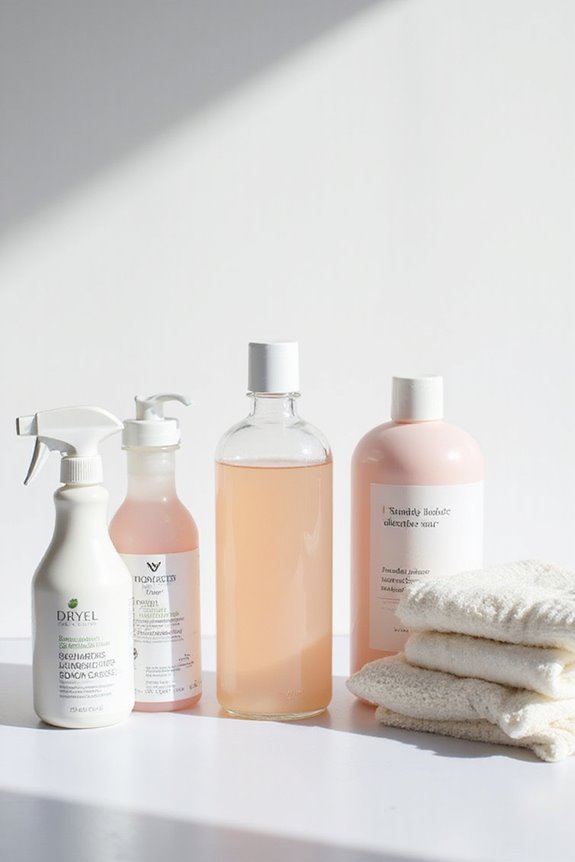

When we hand wash clothes, prep is key! First, we check for stains, sort fabrics, and pick the right detergent like Woolite. Using a clean sink, we gently agitate the clothes in lukewarm water—no twisting allowed, folks! Soak delicates for about 20 minutes, stirring lightly. Rinse with cold water, ensuring all suds are gone. If you’re keen to keep those clothes looking great, there’s more handy tips and tricks we can share!
Key Takeaways
- Conduct a pre-wash inspection for stains and damage, sorting garments by fabric type and color to prevent color transfer.
- Use mild, gentle detergents appropriate for each fabric type, opting for hypoallergenic options for delicate items.
- Fill a clean basin with lukewarm or cool water and avoid overcrowding to allow gentle agitation during washing.
- Soak clothes for 20 minutes for delicate fabrics, stirring gently to help detergent penetrate, and avoid vigorous scrubbing.
- Rinse garments with clean, cold water, using gentle agitation and an extra rinse for heavily soiled items to remove all detergent.
Preparing for Hand Washing
When we think about preparing for hand washing clothes, there are a few key steps we shouldn’t skip. First, we need to do a thorough pre-wash inspection of each garment. This means spotting stains and checking for any damage, like loose seams or delicate trims. Trust us, a little extra care here saves headaches later! Next, fabric sorting is essential. We should separate our clothes by fabric type and color—lights, darks, and brights. Mixing them could lead to color transfer disasters. Plus, grouping similar fabrics helps us choose the right water temperature and detergent. For delicate fabrics, it’s best to use hypoallergenic and pH-neutral options to ensure their longevity and appearance. So, let’s take our time with these steps; they set the stage for successful hand washing and keep our clothes looking great!
Essential Materials Needed
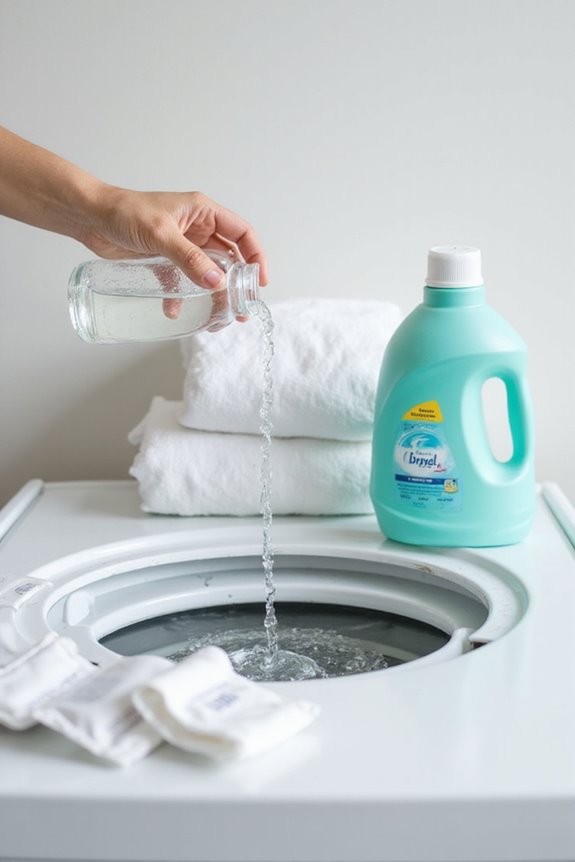
Hand washing clothes might sound simple, but having the right materials makes all the difference. First, let’s talk about detergent selection. We should use mild, gentle detergents like Woolite or Soak, specifically made for delicate fabrics. Avoid harsh detergents that can ruin our clothes. Now, onto washing containers. A large, clean basin or sink is essential, giving our clothes space to move freely. Plastic or enamel basins are great because they’re lightweight and easy to handle, especially when traveling. If we have multiple basins, we can separate soaking, washing, and rinsing, making everything more efficient. Additionally, selecting hypoallergenic options can help minimize skin irritation for those with sensitive skin. With the right materials, we’re well on our way to keeping our garments looking fresh and lasting longer!
Washing Technique
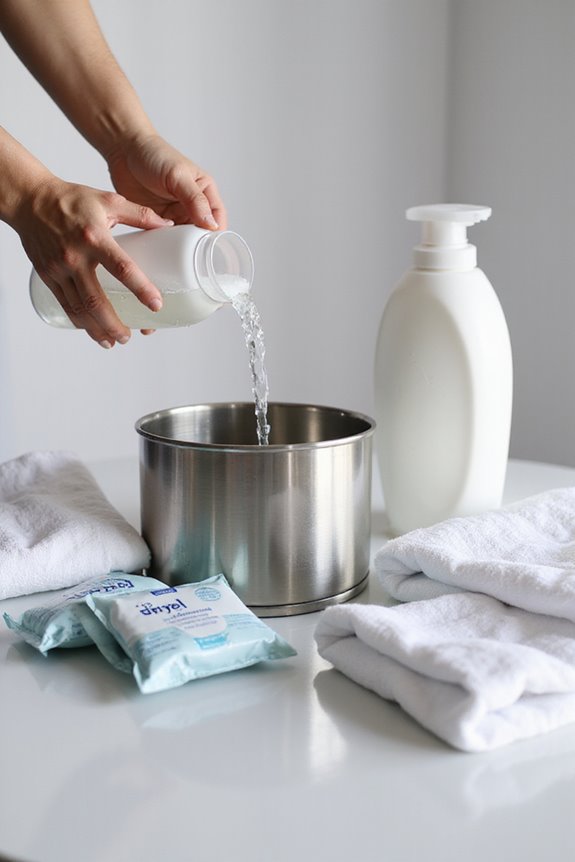
Washing clothes by hand can be a bit of an art, but with the right technique, we can keep our garments looking great. First, let’s avoid overcrowding the sink; we need space for our clothes to move freely. For different fabric types, gentle agitation in a circular motion helps distribute the detergent evenly without causing damage. Remember, we shouldn’t twist or wring clothes, as that can lead to stretching. Instead, we can gently press water out. Using lukewarm or cool water is best, unless the care label says otherwise. And let’s not forget to check the washing frequency! For delicates, it’s essential to use mild detergents and handle them with extra care. Happy washing!
Soaking and Stirring
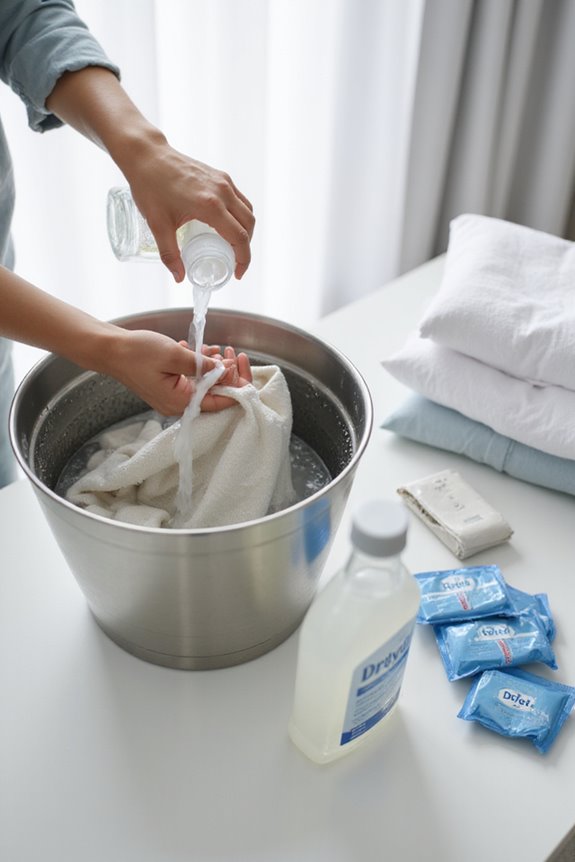
After we’ve got our washing technique down, soaking and stirring can really boost our hand-washing game. The soaking duration matters; delicate fabrics need just 20 minutes in cool water, while stubborn stains might require up to overnight soaking. We should always use a gentle detergent or a stain-specific solution.
While soaking, we can employ agitation techniques like gentle stirring to help the detergent penetrate the fibers. Remember, we don’t want to scrub vigorously, as that can damage our clothes. A light squeeze during soaking can help too. Using a clean basin guarantees no dirt gets redeposited. By following these tips, we’ll keep our clothes looking fresh and vibrant—no one wants to wear dingy laundry!
Rinsing Clothes
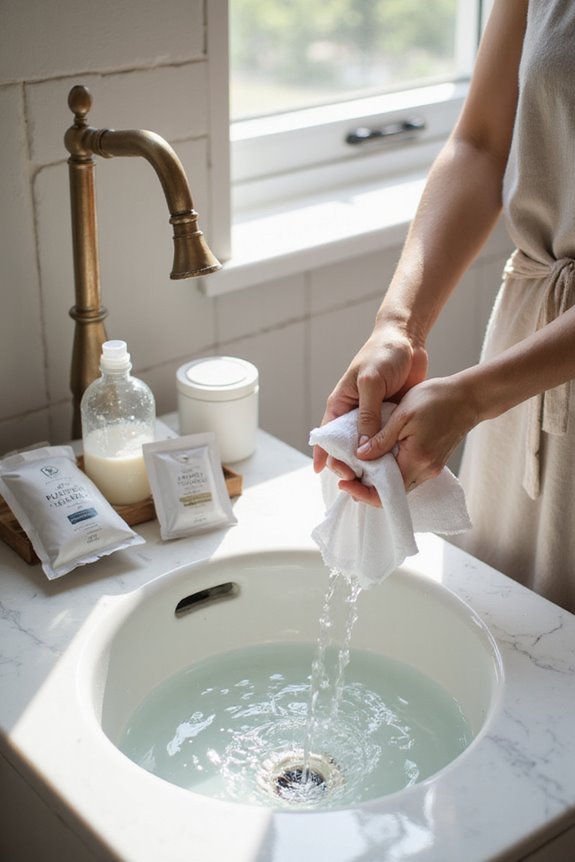
Rinsing clothes is one of those essential steps that can make or break our laundry experience. It’s vital to remove residual detergent or soap, which can irritate our skin and damage fabrics. Using clean, cold rinse water is key. It helps prevent stains from setting and keeps our clothes looking fresh.
When we think about rinse techniques, we should consider the fabric type and how dirty the clothes are. Heavily soiled items might need an extra rinse. Gentle agitation works wonders for delicate fabrics, ensuring they’re treated with care. And hey, if we notice lingering suds or smells, it’s a sign we might need to rinse again! Trust us, our garments will thank us for it!
Water Removal and Drying Preparation
Once we’ve rinsed our clothes, it’s time to tackle the next step: getting rid of that excess water. For effective water extraction, we should gently squeeze our garments rather than wring or twist them. This helps prevent any stretching or damage. One handy drying technique is the towel rolling method: lay your garment flat on a dry towel, roll it up, and press down to absorb moisture. Remember, we want to reshape our clothes gently before laying them flat to dry. Choosing a ventilated, shaded area will protect our fabrics from sun damage. Plus, giving our clothes some space apart allows air to circulate, speeding up the drying process. Our clothes will thank us for it!
Special Care for Delicate Fabrics
When it comes to caring for delicate fabrics, there are a few key things we should keep in mind. First, let’s choose mild detergents specifically for delicate fabric types. We should avoid anything with bleach or heavy fragrances—trust us, our clothes will thank us! For stain treatment, acting quickly with a gentle rub works wonders. Remember, cold water is our friend; it helps prevent damage and shrinkage. When washing silk or lace, let’s stick to hand washing; no scrubbing or twisting! If we ever use a washing machine, a mesh laundry bag can be our best ally. And when it comes to drying, air drying is the way to go—no hot dryers or sunlight, please! Additionally, using gentle detergents formulated for delicate fabrics can significantly extend the life of our cherished garments.
Tips for Maintaining Garment Quality
To keep our garments looking fresh and lasting longer, we need to pay attention to a few essential details. First, let’s consider fabric types when choosing detergents. Using mild, plant-based options is key, especially for delicate fabrics. For tougher stains, we should pre-treat them right away to boost our washing effectiveness. Additionally, selecting a concentrated laundry detergent can enhance cleaning power while being gentle on fabrics.

When washing, remember to sort our clothes by color and weight, which helps avoid damage. Using cold water is usually best for maintaining color and preventing shrinkage. Also, let’s not overload the washing machine—our clothes need room to move! Finally, we should air dry when possible, as high heat can weaken fibers. Trust us, following these tips can really make a difference in garment quality!
Frequently Asked Questions
How Often Should I Hand Wash My Clothes?
When considering hand washing frequency, we should prioritize fabric care. Delicate items can be washed less often, while underwear and workout clothes need frequent washing to maintain hygiene and prevent odors. Let’s balance cleanliness and care.
Can I Use Regular Detergent for Hand Washing?
Sure, we can use regular detergent for hand washing, but we should consider the detergent types and adjust our washing techniques. It’s essential to reduce the amount to avoid residue and protect our fabrics.
What Should I Do if Stains Remain After Washing?
If stains remain after washing, we should try effective stain removal techniques. Soaking in warm water, using household agents, and rewashing without detergent can help lift stubborn stains and enhance our overall washing experience.
Is It Safe to Hand Wash Clothes With Embellishments?
When it comes to hand washing embellished fabrics, we should definitely use gentle washing techniques. By being cautious and following proper methods, we can safely clean our favorite embellished garments without risking damage to their beautiful details.
How Can I Prevent Colors From Bleeding During Washing?
Like a painter guarding their palette, we can prevent colors from bleeding by performing colorfast testing, using dye setting techniques like vinegar or salt, and washing similar hues together, ensuring our garments remain vibrant and true.